
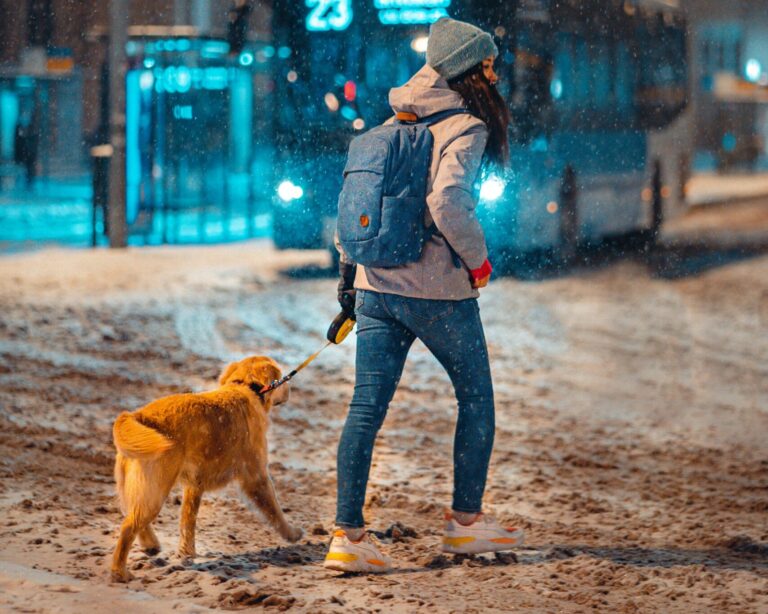

As the weather cools and the leaves start to turn, fall brings the perfect excuse to get outside with your dog. Whether you’re planning weekend hikes, trips to apple orchards, or crisp morning walks, leash manners can make or break the experience. If your dog drags you down the sidewalk or lunges at distractions, those peaceful fall strolls can turn into tug-of-war battles.
The good news? You don’t need fancy tools or years of training to enjoy walks again. With structure, timing, and a few consistent techniques, you can teach your dog to walk calmly by your side before the first autumn leaf hits the ground.

What Is Loose Leash Walking?
Loose leash walking means your dog walks at your side or just ahead with slack in the leash, no tension, no pulling. It’s different from a formal “heel,” which requires precise positioning. Loose leash walking allows freedom while still keeping you in control.
This skill is essential for:
- Stress-free daily walks
- Safe public outings
- Confidence during hikes or trails
- Better bonding and engagement with your dog
Why Fall Is the Best Time to Reinforce Leash Skills
Fall weather makes it more enjoyable to spend time outdoors. That extra time is perfect for reinforcing good leash habits before the holidays or unpredictable winter conditions arrive.
Plus, local events like farmers markets, pet-friendly festivals, or pumpkin patch visits all provide excellent real-world distraction training, if your dog is ready for it.
Signs Your Dog Needs Leash Work
- Constantly pulls toward smells, people, or dogs
- Wraps the leash around your legs or trees
- Barks or whines during walks
- Stops and refuses to move
- Lunges or zigzags unpredictably
These behaviors aren’t about stubbornness. They’re usually signs your dog doesn’t understand the expectations or hasn’t been properly reinforced for doing it right.
How to Start Loose Leash Walking Training
Before you head out on a fall adventure, start with these core strategies at home or in a low-distraction area:
1. Pick a Side and Stick With It
Choose whether your dog will walk on your left or right, and stay consistent. Switching sides mid-walk confuses the dog and makes pulling more likely.
2. Use Marker Words
Teach your dog a marker word like “Yes” to signal correct behavior. Mark and reward every time they’re in position and the leash stays loose.
3. Reward Position, Not Progress
Don’t wait until your dog is 10 feet ahead before redirecting. Reinforce frequently while they’re near you.
4. Practice “Turn and Go”
If your dog pulls, calmly turn and walk the opposite direction. This teaches them that pulling leads to the opposite of what they want, progress.
Make It Fun With Games and Drills
Leash training doesn’t have to be boring. You can build engagement using simple drills that make your dog want to stay near you. Our post on positive reinforcement for good leash behavior includes practical games that turn walks into a learning opportunity.
Some fun options include:
- Treat drops for position reinforcement
- Directional changes every 10 steps
- Adding sits or downs mid-walk to build impulse control
Gear Tips: Collar vs. Harness?
Choosing the right equipment can make a huge difference. For a detailed breakdown, the AKC’s collar vs. harness guide is a great resource. While no tool replaces training, finding the right fit for your dog’s breed, body type, and behavior can give you a big advantage.
Take It to the Next Level With Professional Help
At Off Leash K9 Training Rochester, we focus on building reliable obedience in real-world conditions. Our Basic Obedience Program includes loose leash walking, distraction training, and long-term behavior reinforcement.
We’ll teach your dog to walk respectfully by your side, even with squirrels, kids, joggers, or other dogs nearby. No more embarrassment. No more frustration. Just peaceful walks you both can enjoy.
Realistic Progress Takes Practice
It’s important to keep expectations in check. Dogs don’t master loose leash walking overnight. Set small goals:
- One block without pulling
- One full walk with fewer than 3 redirections
- Calm walking past another dog
The more you reward success and stay consistent, the faster your dog will learn that loose leash = freedom and praise.
Final Thoughts
Loose leash walking is one of the most freeing skills you can teach your dog. It unlocks the ability to enjoy your favorite fall activities without stress, corrections, or sore shoulders. With just a little practice and the right tools, you’ll be ready to hit the trails or the sidewalks with confidence.
Ready to stop being dragged around this fall? Let’s teach your dog the skills they need to walk calmly by your side, contact our Rochester trainers today to get started.